An Indiana man was caught with $260 of heroin. The state took his $42,000 Land Rover.
Hoosier Tyson Timbs is on the brink of a Supreme Court decision that may change constitutional law. Gain understanding every day from IndyStar … and right now save, too: 3 months for $5 for new customers.
The name of a case heard Wednesday by U.S. Supreme Court sounds strange: “Tyson Timbs and a 2012 Land Rover LR2 vs. State of Indiana.”
But Timbs, from Marion, Indiana, has an opportunity to change constitutional law with this case. It involves a pretty innocuous-sounding legal procedure known as civil asset forfeiture, that can have big repercussions.
Tyson Timbs:Former ‘junkie’ from Marion, is namesake of U.S. Supreme Court case
Veterans issues:Special treatment? Veterans Affairs director grants state relief funds to employees
What happened to Tyson Timbs?
Timbs received $75,000 from a life insurance policy when his father died, and he used the money to purchase a Land Rover.
In 2013, Timbs sold several grams of heroin to undercover police officers during a sting operation. He used his Land Rover to buy drugs in Richmond, Indiana, and was driving the vehicle when he was arrested.
He pleaded guilty to selling $260 worth of heroin, and the $42,000 vehicle was seized by the government. He was also sentenced to home detention for a year, five years of probation and court-ordered fees.
But according to Indiana state law, the maximum fine allowed for Timbs’ crime is $10,000, which launched Timbs on a legal journey.
Wait, why’d they take his Land Rover?
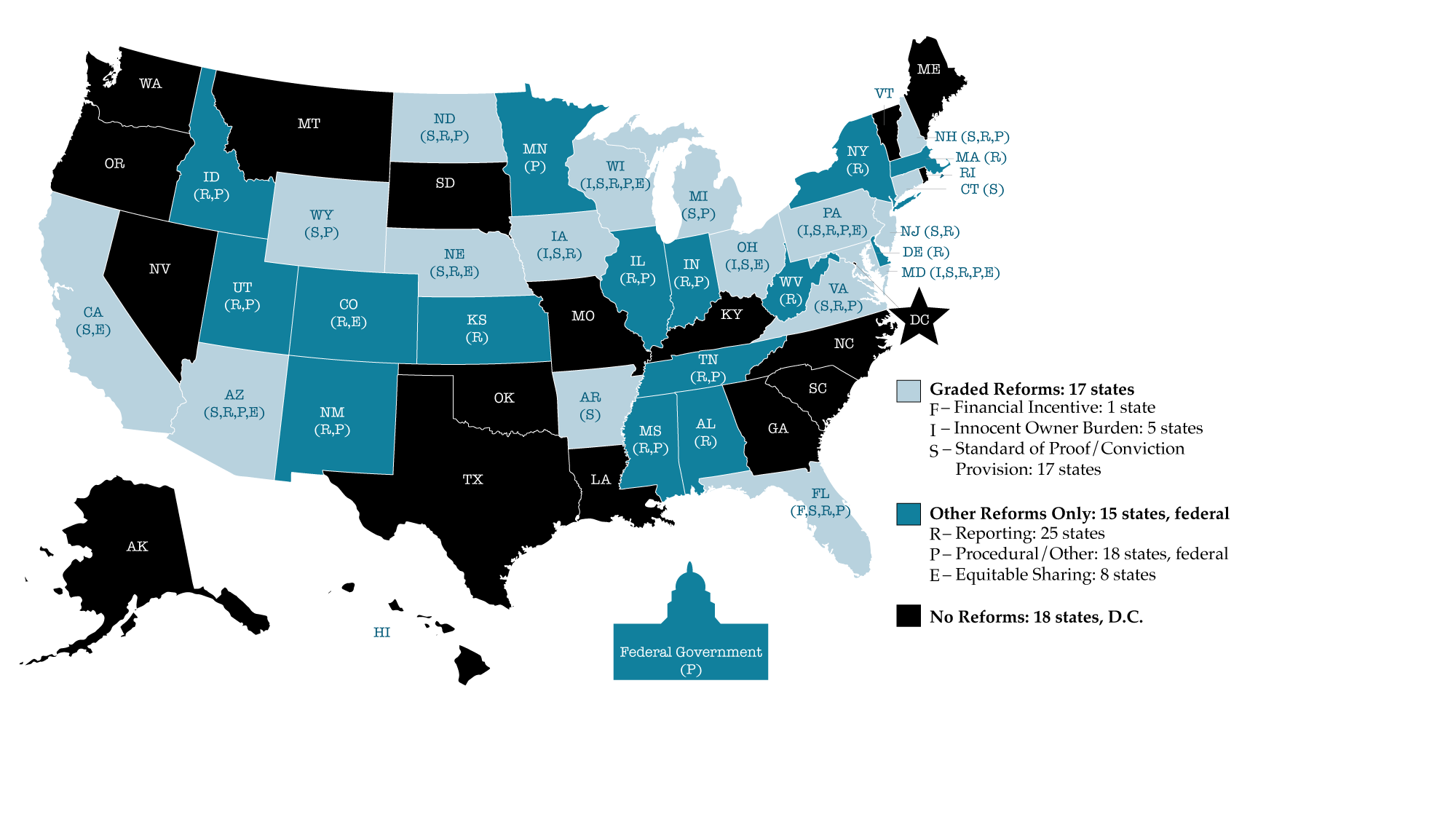
It’s a process called civil forfeiture, and it’s currently legal.
What is civil forfeiture?
Also known as civil asset forfeiture or civil judicial forfeiture, it’s a process that allows law enforcement to take assets that they believe have been used in a crime, such as vehicles, property or cash. The owners don’t need to have been arrested or charged with a crime for this to happen. Law enforcement can keep or sell the property.
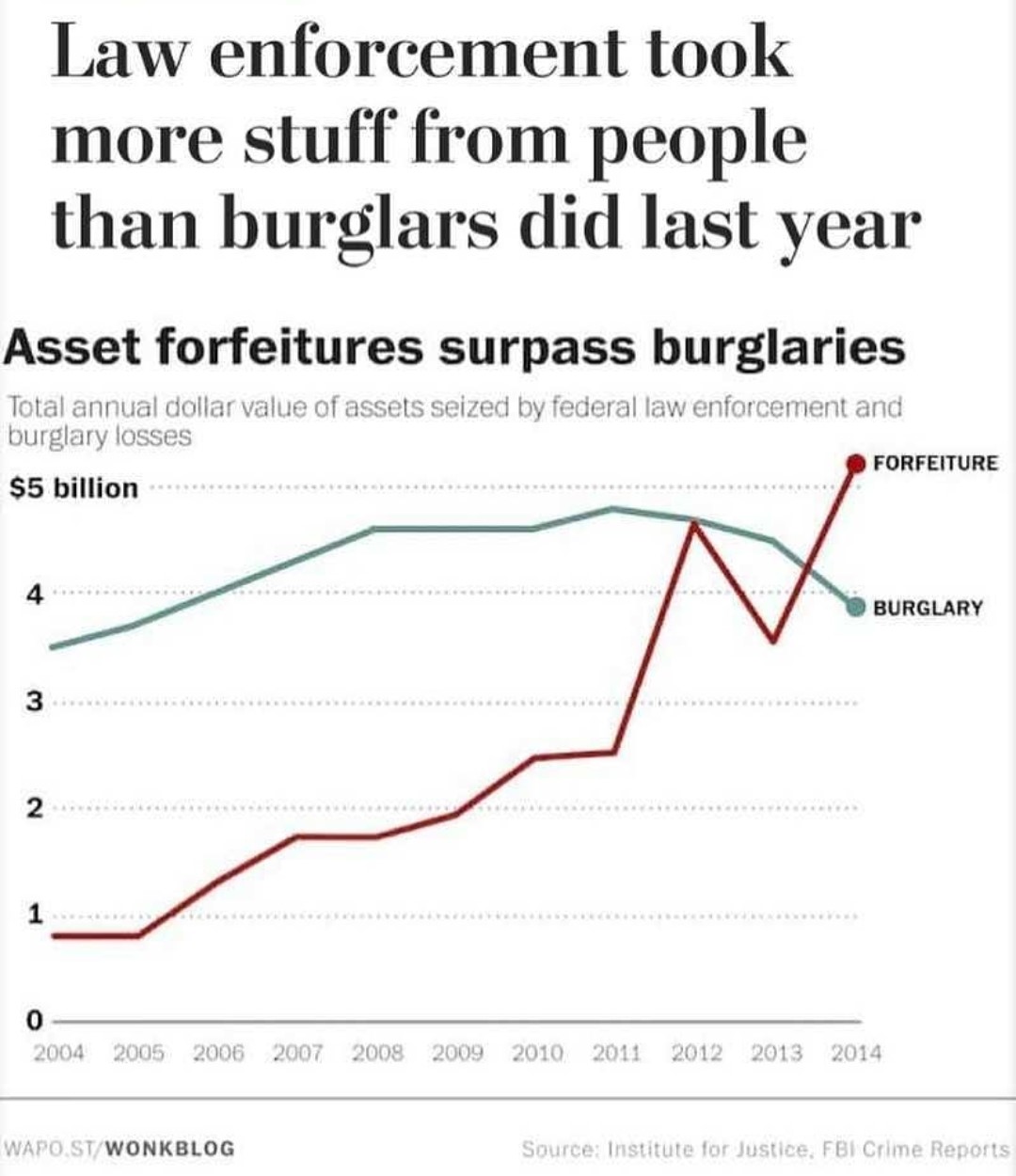
The U.S. Department of Justice argues that the practice “enhances public safety and security” and generates revenue for police departments. It was originally put into place to dismantle large criminal organizations.
Both liberals and conservatives tend to disagree with civil forfeiture. Critics say that the process can hurt innocent individuals when they are presumed guilty instead of innocent, and lead to corruption.
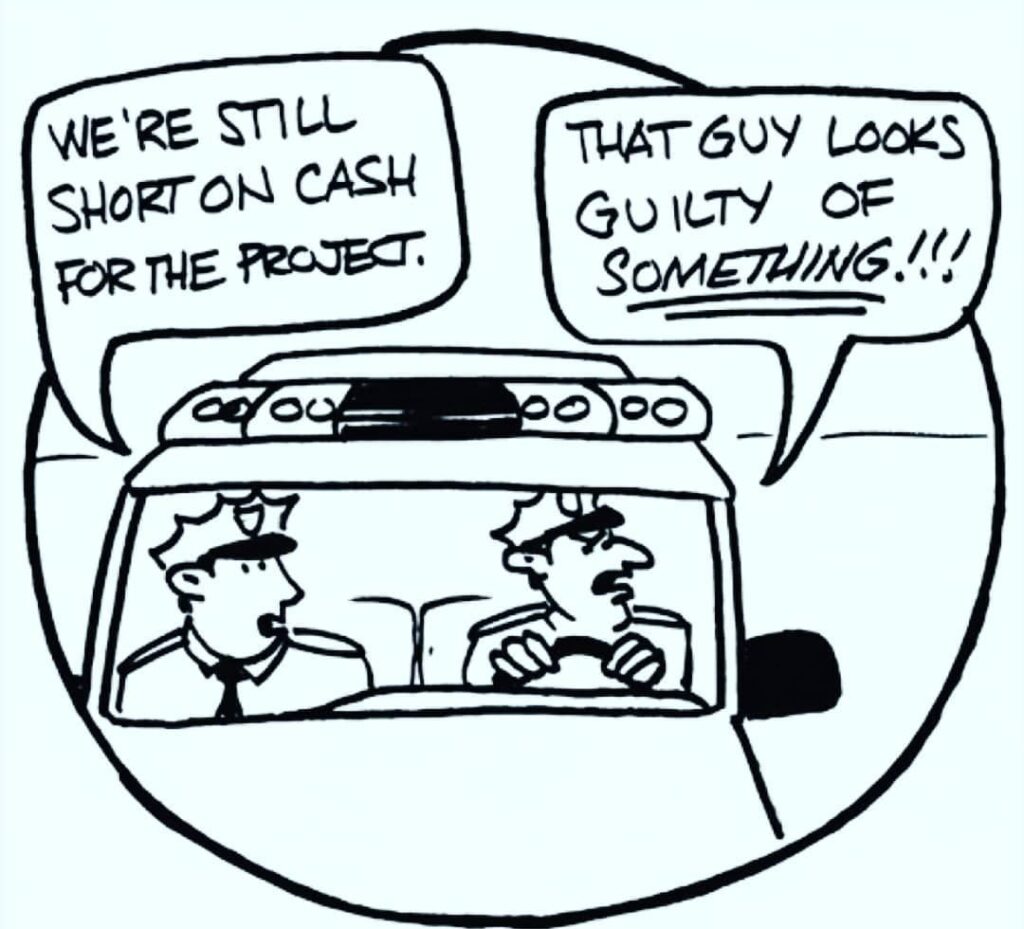
Ian Samuel, an associate professor at Indiana University’s Maurer School of Law, told the IndyStar in October that “the only people who really like civil forfeiture is cops…because they can seize stuff and use money to fund the department.”
How does this involve the Constitution?
This case involves the Eighth Amendment, which prevents the federal government from imposing excessive bail and fines, and cruel and unusual punishment.
Most of the Bill of Rights is incorporated, meaning it applies to the states as well as to the federal government.
For the Eighth Amendment, protection against cruel and unusual punishment has been incorporated in previous Supreme Court cases, but excessive fines have not.
The Institute for Justice that filed the petition for the U.S. Supreme Court Case is arguing that the Eighth Amendment should apply to state and local authorities, while the State of Indiana says this is not a constitutional matter.
Two lower courts agreed that the seizure of the Land Rover was excessive under the Eighth Amendment. Last year, the Indiana Supreme Court reversed that decision. Now, it’s up to the Supreme Court.
Subscribe to the IndyStar for only $5 for the first three months.
What happened at the U.S. Supreme Court Wednesday?
On Wednesday, the U.S. Supreme Court heard arguments from Indiana Solicitor General Thomas Fisher and Wesley Hottot, Timbs’ lawyer. Timbs sat in on the case and listened to testimony.
Associate Justice Sonia Sotomayor told Fisher that many forfeitures occurring today “seem grossly disproportionate to the crimes being charged.”
Justice Stephen Breyer asked if a “Bugatti, Mercedes, or a special Ferrari or even a jalopy” would be forfeitable if it was driven five miles over the speed limit. Fisher said it would.
Justice Samuel Alito wondered if the excessive fines clause would be different for a “15 year-old Kia” or a Bugatti, which is hundreds of thousands of dollars.
Hottot responded: “Any forfeiture of the vehicle would be excessive because this vehicle was not instrumental to this crime. It was incidental. It’s no surprise that…in rural
Indiana that…a person might drive somewhere to to meet with someone. And that
doesn’t make this vehicle somehow like a pirate ship that had been sailing the high seas.”
Why is this a big deal?
Fines and forfeitures are often opposed and reduced, but the U.S. Supreme Court ruling could decrease them from happening in the first place.
Gerard Magliocca, a professor at the Indiana University Robert H. McKinney School of Law, said the U.S. Supreme Court will “almost certainly” rule in favor of Timbs.
“Some towns use forfeitures to raise money rather than to fight crime,” he said. “If you speed and a town takes your car, I think you would conclude that was excessive. The court’s decision will help prevent these sorts of abuses.”
Additional Reading:
An Illustrated Guide to Civil Asset Forfeiture | End Civil Asset Forfeiture | Asset Forfeiture Not So Helpful to Crime-Fighting | Alabama Shows How Law Enforcement Can Get Behind Asset Forfeiture Reform | Indiana Man Fights Police Use of Civil Forfeiture to Take His Land Rover | Civil Forfeiture | Maine Now Requires Criminal Conviction Before Property May Be Forfeited | How to Avoid Asset Forfeiture in Oklahoma | Albany district attorney, sheriff under federal review for use of funds | Civil Asset Forfeiture: Undue Process | Washington State: SB 5044- Civil Asset Forfeiture | How Federal Courts Handle Asset Forfeiture Cases | Why Cops Should Be Chasing the Bad Guys, Not the Big Bucks | The Heat: US Civil Asset Forfeiture Controversy | Bennis v. Michigan, Supreme Court OKs Civil Forfeiture | The County Seat Civil Asset Forfeiture | Civil Asset Forfeiture: An Overview & Conversation | In appeals court hearing, judges criticize case of Phoenix police seizing man’s $39,500 | How Law Enforcement Tracks Your Crypto Wallet (And How to Respond) | How A Quiet Police Lobbying Campaign Killed Civil Asset Forfeiture Reform In Missouri | FBI Seized $86 Million In Raid On Innocent Americans’ Safe Boxes After Duping Judge For Warrant | Investigating CPD’s Use of Civil Asset Forfeiture | Kim Kardashian pays over $1 million to settle SEC charges linked to a crypto promo on her Instagram | Civil Asset Forfeiture, Blacks Law Definitions and the Native Truth