
Criminal Asset Forfeiture Los Angeles – Rucci Law
Criminal Asset Forfeiture in Los Angeles: Protecting Your Rights with Rucci Law
Facing criminal asset forfeiture charges in Los Angeles? It’s a frightening situation, and you don’t have to navigate the complex legal landscape alone. At Rucci Law, we understand the devastating impact asset forfeiture can have on your finances, your livelihood, and your freedom. We’re dedicated to fiercely protecting your constitutional rights and aggressively challenging the government’s attempts to seize your assets.
What is Criminal Asset Forfeiture?
Criminal asset forfeiture is a legal process where the government seeks to take property believed to be connected to criminal activity, even if you haven’t been formally charged with a crime. This can occur during or after a criminal conviction. The government doesn’t need to prove you committed a crime; they only need to demonstrate a “connection” between the assets and the alleged criminal activity – often a very low standard to meet.
Understanding the Process – And Your Rights
Here’s what you need to know:
- Civil Forfeiture: This is the most common type. It starts as a civil lawsuit where the government presents evidence that your assets are linked to criminal activity.
- Criminal Forfeiture: This occurs during a criminal trial, allowing the court to seize assets directly related to the crime.
- Due Process Concerns: The government’s evidence can be circumstantial, and the standards for proving a connection are often lower than in criminal cases.
- Right to Challenge: You have the right to challenge the government’s evidence, argue the connection is insufficient, and potentially have your assets returned.
Why Rucci Law is Your Strong Advocate
At Rucci Law, we recognize the potential for government overreach in asset forfeiture cases. Our experienced Los Angeles criminal defense attorneys are specialists in these complex proceedings. We will:
- Thoroughly Investigate the Government’s Evidence: We’ll scrutinize the evidence presented to identify weaknesses and inconsistencies.
- Challenge the Connection Between Assets and Crime: We’ll argue that the government’s evidence is insufficient to establish a legitimate connection.
- Represent You at Every Stage of the Process: From initial seizure to court hearings, we’ll be your dedicated advocate.
Don’t let the government unjustly seize your property. Contact Rucci Law today for a confidential consultation. We’ll explain your rights and build a strategic defense to protect your assets and your future. Call us at [Phone Number] or email us at [Email Address]
Rucci Law – Fighting for Your Rights in Los Angeles.
Related:
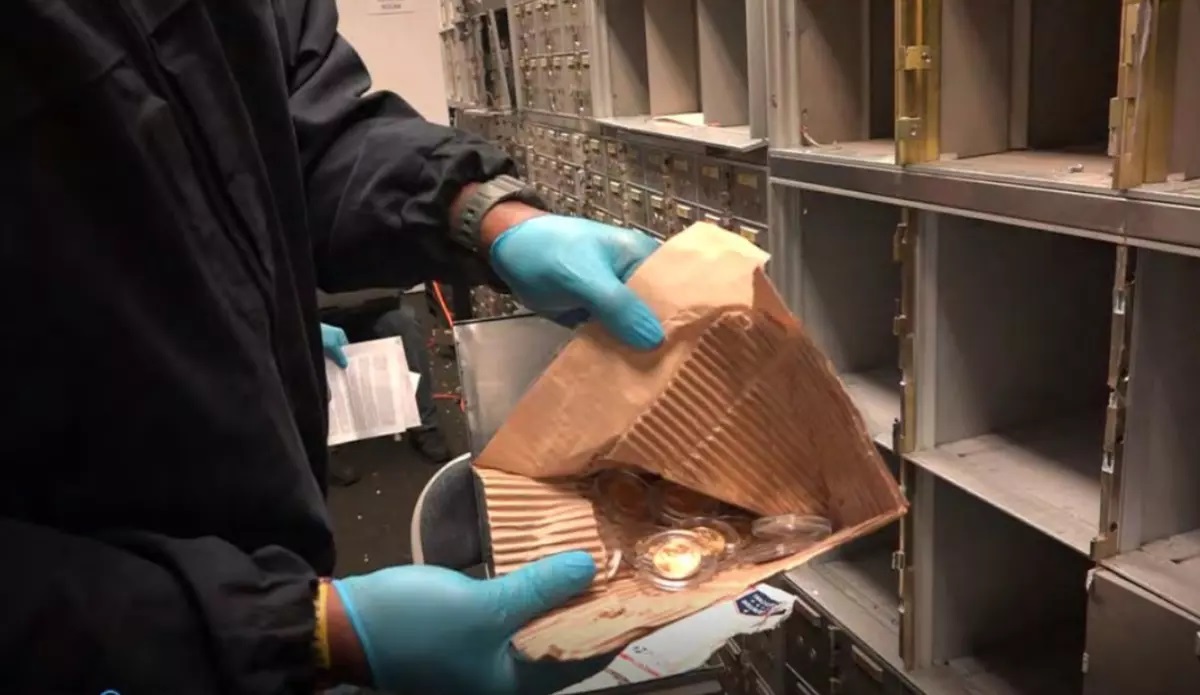
LA Times (6-09-21) FBI wants to keep the fortune in cash, gold, jewels from Beverly Hills raid. Is it abuse of power? | Investigating CPD’s Use of Civil Asset Forfeiture | County Sheriff Slapped with Civil Forfeiture Lawsuit | Reforming Civil Asset Forfeiture (ACLU) | UNCAC Asset Recovery: A Comprehensive Guide | How Property Owners Can Prove Innocence in Court | How to Demand the Return of Seized Property | AI News – Civil Forfeiture | Expungement After Forfeiture: Protecting Your Rights | How Asset Forfeiture Drives the Police State | Sentence First; Verdict Afterwards: Civil Asset Forfeiture Ruins Lives on Basis of Allegations | Why Asset Forfeiture Cases Are Different From Criminal Defense | Due Process in Forfeiture Defense | Civil Forfeiture Often Focuses on Profit Instead of Public Safety | Civil asset forfeiture is a dangerous tool | Responding to the Complaint for Forfeiture In Rem | We Need Transparency and Fairness in Civil Asset Forfeiture | This Week’s Civil Forfeiture Outrages: Do People Facing Forfeiture Get Due Process? | Countering Civil Forfeiture Myths with Facts | Can the Government Seize Property Without Charges in California? | The feds are helping local police make money by taking your stuff again | JLF’s Jon Guze Discusses N.C. Civil Asset Forfeiture and Equitable Sharing | America’s Asset-Forfeiture Scam Is Law Enforcement’s Disgrace | 5 states that reformed civil forfeiture laws – and one that didn’t